Lakewood City Manager Retiring
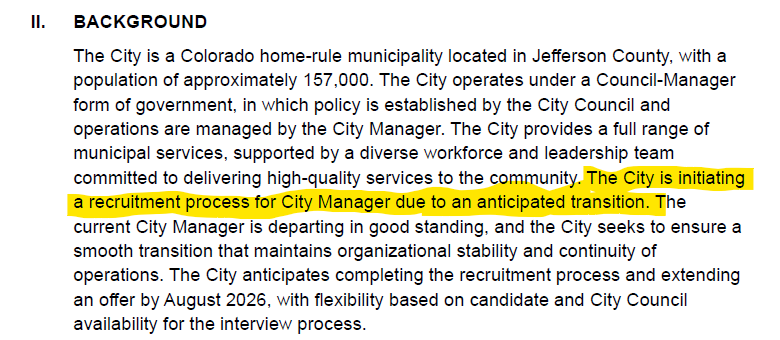
Lakewood City Manager Kathy Hodgson has announced her retirement. The position will be filled by an Executive Search firm. The Request For Proposals for the search firm appeared Thursday and will close April 27, 2026.

Resident generated news about Lakewood, Colorado
Resident generated news about Lakewood, Colorado
Lakewood City Manager Kathy Hodgson has announced her retirement. The position will be filled by an Executive Search firm. The Request For Proposals for the search firm appeared Thursday and will close April 27, 2026.
The City of Lakewood will host a media event on Friday, April 3, 2026, to mark the grand reopening of its Navigation Center. City officials are expected to participate in photo opportunities, give interviews, and serve lunch to individuals receiving services and staff. But while the city celebrates, key questions remain unanswered and more neighborhood problems are anticipated.
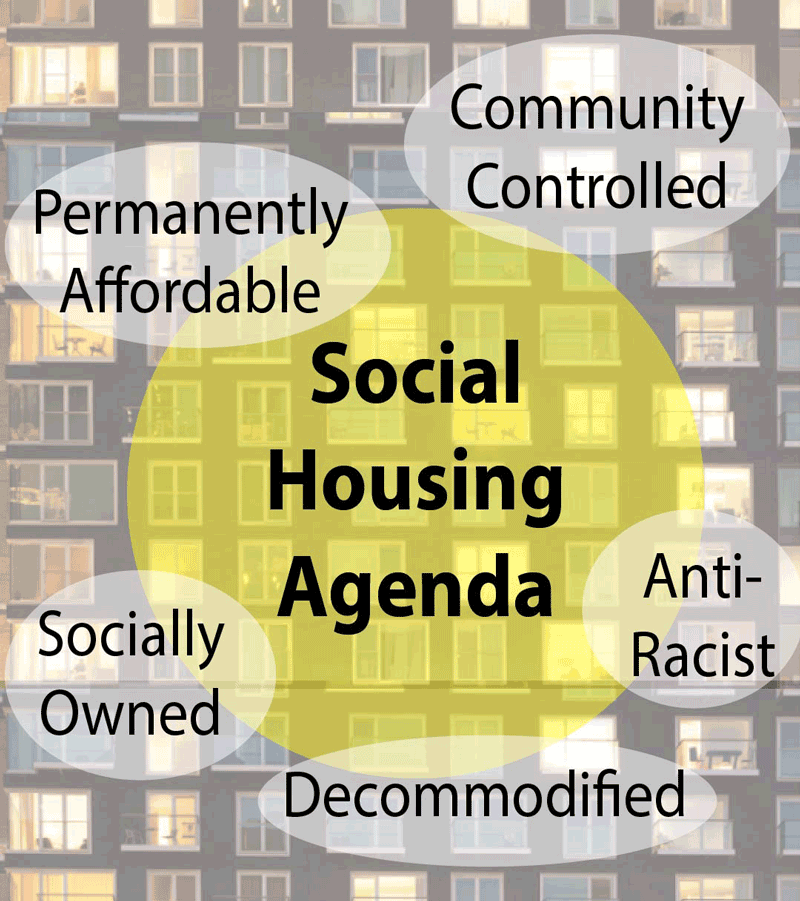
Is new zoning about making it easier for teachers and firefighters to pay for housing? Or is it about making teachers and firefighters pay for someone else? Is housing a commodity or a right? “Social housing” is public housing based on the belief that housing is a right. Information available shows that re-zoning is necessary to implement social housing. Social housing increases the tax burden on the missing middle class by imposing more taxes to fund subsidies. The missing middle is who Lakewood is hoping to convince to support the new zoning, although they may be the ones paying in the end.
When a Lakewood resident bought a burned-out single-family house to rehabilitate it, he had no idea Lakewood would say no. The house had been vacant and neglected, allowing homeless to move in and cause a fire. The result is an unusable, dangerous eyesore. But those considerations were not as important to Lakewood as changing the property to high-density.
The Lakewood City Council Legislative Committee supports two state bills that would override Lakewood zoning code limits: HB26-1001 and HB26-1114. These state bills would further densify Lakewood regardless of the April 7 special election vote on new zoning densification, suggesting Committee Members are ignoring the will of the people.
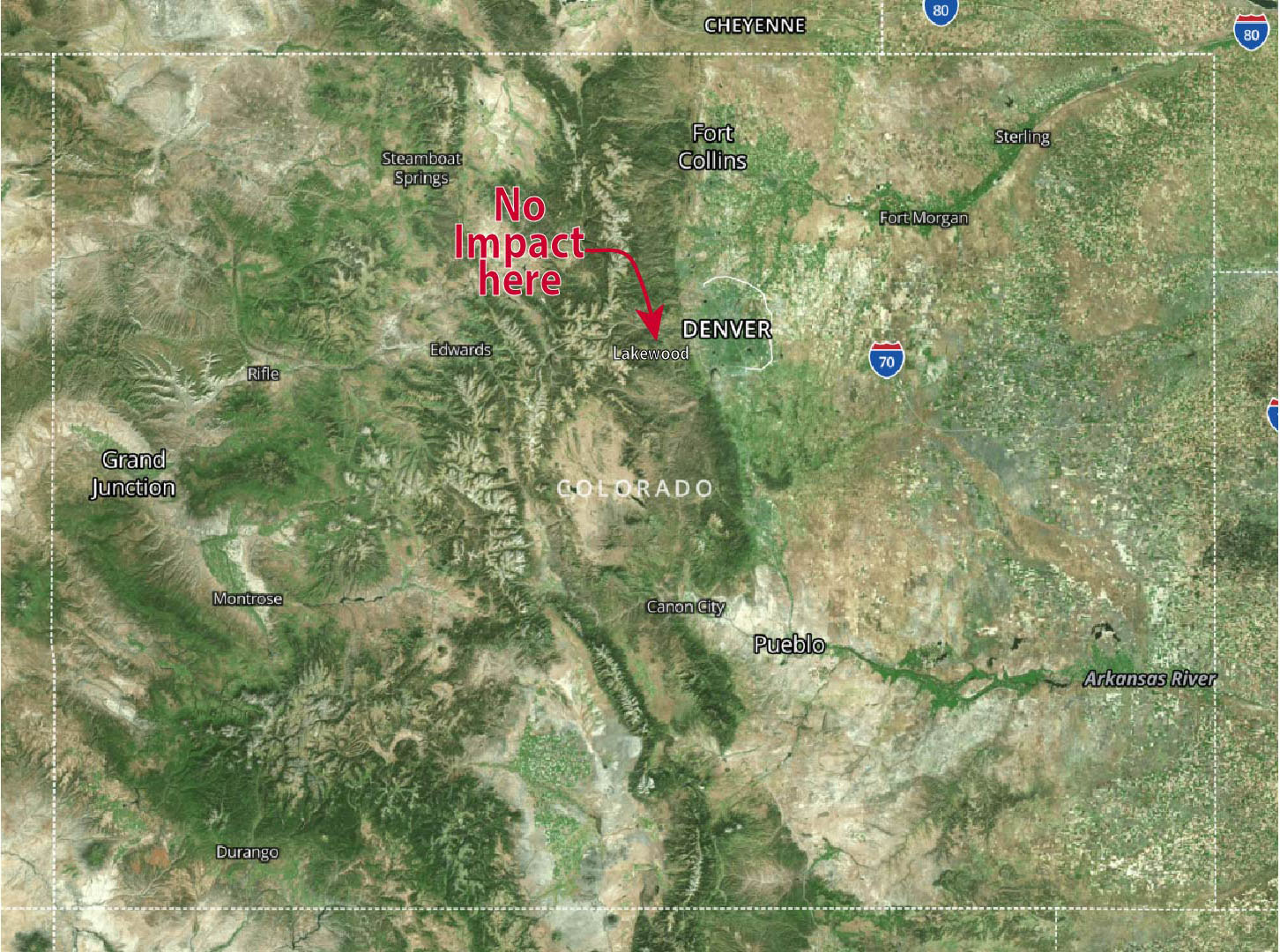
“This won’t impact Lakewood,” say City Councilors at the February 26, 2026, Legislative Committee meeting. Nevertheless, the committee supported a total of four state legislative bills citing regional benefit or planting a flag for Democrat leadership. Without a solid benefit to Lakewood, it is unclear whether lobbying at the state level is representing city interests or personal beliefs.
Anti-ICE protestors came out in support of the first step Lakewood City Council took against ICE policies. Wearing red shirts with “Keep our neighbors safe” written on them and anti-ICE pins, protestors thanked City Council for making a declaration to honor people who recently died during ICE enforcement actions. The declaration made no mention of immigration status, surrounding circumstances or any actively threatening actions taken by those who died. In other words, Lakewood’s declaration was a one-sided, virtue signaling, political statement about a non-Lakewood specific issue. Lakewood Council Members called it “beautiful.”
There is no dispute that the City of Lakewood must comply with a recent Colorado Supreme Court ruling requiring repayment of illegally collected Business and Occupation taxes. However, the way Lakewood is paying that refund has raised concerns that voters were misled about how their TABOR money would be used.
City staff and Council presented the TABOR Fund as the only option available. However, the TABOR Fund is a Lakewood-created accounting mechanism, not a requirement of state law or the court decision. Lakewood could have paid the refund from the General Fund. Instead, on January 26, 2026, City Council voted to take money from the TABOR Fund that had been explicitly promised to voter-approved purposes.
New campaign finance rules for Lakewood define non-profits and corporations as people. The change allows large donations without individual disclosures. This is commonly referred to as dark money. The rule change follows 2010 changes at the federal level known as the Citizens United v FEC decision.
Shahrezaei and Councilor Bill Furman were beneficiaries of this change during the 2025 election. Each received $400 from the Metro Housing Coalition through the Metro Housing Coalition Political Action Committee.
On September 8, 2025, the Colorado Supreme Court ruled against Lakewood in an important court case against Metro PCS. As a result, Lakewood now owes around $42 million in tax refunds to Metro PCS and other cell phone carriers. That was big news, but what happened after the court decision is just as important.
Lakewood withheld the financial ramifications of the Metro PCS court decision during crucial budget planning. Although Lakewood didn’t know the total amount involved, the staff was aware that they would have to refund millions of dollars to the cell phone companies. Yet there was no public presentation of possible impacts during the crucial September and October budgeting months. Instead, Lakewood spent millions on controversial projects as soon as they could. Millions that could have gone toward the mandated refund.