Lakewood Informer

Resident generated news about Lakewood, Colorado

Lakewood Informer

Resident generated news about Lakewood, Colorado

Homeless

Navigation Center Emergency Deal Closes

Lakewood passed another “emergency” ordinance, December 8, 2025, once again showing an inability – or purposeful unwillingness – to properly plan for the Navigation Center. The latest “emergency” was a lease that was months in the making. Lakewood used “emergency” and non-profit non-city meetings to skirt public input.  The new lease and the property sale both rely on new zoning to keep the public in the dark and do spot zoning for favored projects. No one has addressed how the Center will be affected by the potential repeal of the new zoning nor has the declining neighborhood been addressed. During the January 8 meeting, a resident publicly complained about how the Navigation Center was negatively impacting his business.

Councilor Supports Taxpayer Funds for Migrants

Councilor Supports Taxpayer Funds for Migrants Recent comments by Isabel Cruz show that Lakewood Council may still support using taxpayer dollars for migrant housing. Lakewood Councilor Isabel Cruz is a Policy Director for the non-profit Colorado Consumer Health Initiative. As a spokesperson for the Initiative [not Lakewood], Cruz defended Medicaid coverage for undocumented immigrants saying, “…providing coverage to undocumented immigrants benefits everyone and keeps costs down.” She made several additional comments in a Denver 7 article titled “Feds investigate Colorado’s spending on health care for undocumented immigrants” According to the article, she said, ““When we help cover people, we help stabilize our health care system and our safety net health care providers, and we also make sure that we keep costs down for everyone,” said Cruz.” The same sentiment could be applied to housing, where Cruz is currently voting on new policies for “affordable housing” through Lakewood’s zoning code. Cruz’s statements were not made regarding official Lakewood policy. However, this is the same mentality displayed over and over again by Council Members and staff when migrant support comes up – all programs in Lakewood are open to migrants. This question is key to understanding why Lakewood is changing zoning and adopting radical housing strategies that have not been implemented citywide anywhere in Colorado. Lakewood leadership is aggressively pursuing funding support for homeless – including migrants. Colorado Engaged has previously explained how Colorado Prop 123 funding “reallocates TABOR refunds to support government-managed, taxpayer-subsidized housing and homelessness initiatives.” The plans for migrants in Lakewood has been shrouded in mystery. Lakewood says they are not a sanctuary city but they act like one by: Lakewood does not coordinate with ICE Lakewood already “lessens deportation fears” to encourage migrants to live in Lakewood in a policy buried in the Strategic Housing Plan, rather than a standalone policy Council has made clear that Lakewood will not ask for identification to receive shelter or services Lakewood Mayor Wendi Strom supported new migrants becoming “proud workers and residents of Colorado” by approving a letter from the Metro Mayors Caucusthat the city charged an outrageous fee to obtain. Council voted in January 2024 to “be a good neighbor.” Councilor Cruz has not returned a request for comment. Like many others, she has an automatic response saying, in part: “If your email requires a personal response, I will do my best to reply promptly but if you don’t hear from me, please feel free to reach back out. Since council is designed as a part-time job and most of us have additional full-time jobs to support ourselves and our families, I appreciate your patience in advance with my response.”


Emory Not Purchased Yet but is Already Scheduled to Sell

Emory Not Purchased Yet but is Already Scheduled to Sell The sale of Emory has already been scheduled for October 27, the same day Lakewood will authorize buying the current Action Center for more homeless services. There is no mention of when Lakewood will complete the purchase of Emory, but Lakewood must be confident since it is already scheduled for sale. There is no update on the Jeffco website and calls for comment have not been returned. No evidence of a public meeting with Jeffco schools can be found. Lakewood has consistently told residents that the purchase and sale of Emory Elementary was not a “done deal” and that the community would have plenty of opportunity to weigh in. But so far, that hasn’t been the case. While there have been many meetings where the Action Center has explained their plans, there has been no opposing views presented. Resident concerns have been brushed aside. The only real discussion about Lakewood’s homeless policy was during a Council workshop at which no votes were taken and public comment allowed. The sale date of October 27th is the day before the District Court trial involving Lakewood’s alleged violations of the Open Meetings Law. Former Lakewood Councilor and attorney Anita Springsteen filed three lawsuits against improper notice of executive sessions for Emory purchase discussions. Losing Money Jeffco will not disclose the market valuation of Emory, claiming negotiation privilege. However, the discussion from the Action Center presentations suggests: the property is worth around $10 million Lakewood will purchase the building for $4 million. Lakewood will then sell the building to the Action Center for $1 million. If true, that’s a $9 million loss to the taxpayers. Add in the cost for Lakewood to buy the current Action Center property and the cost goes up. Meanwhile, Jeffco has been cutting costs elsewhere — including reducing school resource officer coverage. Residents can’t help but connect these decisions to recent tragedies like the Evergreen school shooting, which happened when the SRO was off duty and a replacement had been “deprioritized”. Biased Presentations The Action Center has sponsored a couple of one-sided presentation meetings. Ward 2 residents expecting a zoning discussion on September 13 were instead met with a surprise Action Center presentation. The Action Center meeting scheduled for September 17 has turned into a Ward 3 meeting. It is scheduled for 5:30 at Emory Elementary. What’s missing is any balanced discussion of: The real taxpayer costs The impact on nearby neighborhoods Program effectiveness Whether these programs can stand financially without ongoing government support Expanding Homeless Services City Manager Kathy Hodgson previewed this direction back in December 2023, saying “… we are talking about a partnership with the Action Center to move them to one of the schools that’s been closed…. then Lakewood would have a presence in the existing two buildings of the Action Center to complete the navigation concept and allow for more housing for our homeless population….“ Since the City Manager made that comment, the Navigation Center has proven to be more expensive than anticipated and has drawn criticism as a magnet for the homeless. Even Governor Jared Polis recently questioned “Housing First” strategies like Lakewood’s. In a September 12 interview with CPR, Polis said Denver’s model hasn’t worked and shouldn’t be emulated. Instead, he pointed to Colorado Springs and Aurora, which emphasize mental health and individualized approaches over housing alone. (See Lakewood Informer news article for a comparison) From CPR interview with Governor Polis, 12 September 2025 Zoning Changes on a Fast Track Lakewood’s City Council is expected to vote on the final zoning changes, including the Emory site, on October 13. The move would “spot change” Emory’s zoning without the typical public hearing process. All of this is scheduled to be finalized before the next election, effectively locking in the decision before residents can have their say at the ballot box. The Bigger Picture Lakewood’s leadership continues to move forward without presenting residents with a full picture of costs, tradeoffs, or alternative models. Governor Polis himself has warned against relying on “Housing First” — yet Lakewood is doubling down on that very approach. The new zoning enables this approach while bypassing normal public hearings on controversial site changes.

Councilor Admits Zoning is a Developer Handout

Councilor Admits Zoning is a Developer Handout Councilor Sophia Mayott-Guerrero said the new zoning code would be a developer handout as a standalone measure. She said the zoning is needed to get state subsidies for affordable units. The subsidies are what makes housing affordable, not the zoning, as learned in other cities with failed zoning changes. This is exactly what zoning detractors have been saying for months, only to be denied or distracted. Zoning doesn’t provide affordable housing and Lakewood has not brought forward any details for subsidized government housing. Did residents ever agree to government subsidies like Denver? The comments below are from the Lakewood City Council meeting on September 8, 2025 Councilor Mayott-Guerrero, Sept 8, 2025 Mayott-Guerrero also talks about how zoning is an investment. An investment means money down. In this case, Lakewood can “invest” in zoning to get state funds for “affordable housing.” Affordable housing is legally defined and does not include “the missing middle.” Affordable housing means government subsidies. Lakewood has not yet brought forward any city-sponsored affordable housing projects. Mayott-Guerrero suggests that projects will come after she is gone. What does she know that residents do not? When will residents be told what Lakewood is apparently already planning? Rumors that Lakewood is seeking to purchase property on Colfax have been confirmed with City Councilors. However, since negotiations are ongoing, no specific property is mentioned. Lakewood previously discussed sponsoring pallet homes on Colfax during the adoption of the new building code in 2024. Currently, the October 27th meeting is scheduled to discuss the purchase of the Action Center. In December 2023, the City Manager stated her intent to buy the Action Center to have another building for their solution to homelessness.

Lakewood Navigation Center Closes for Renovations

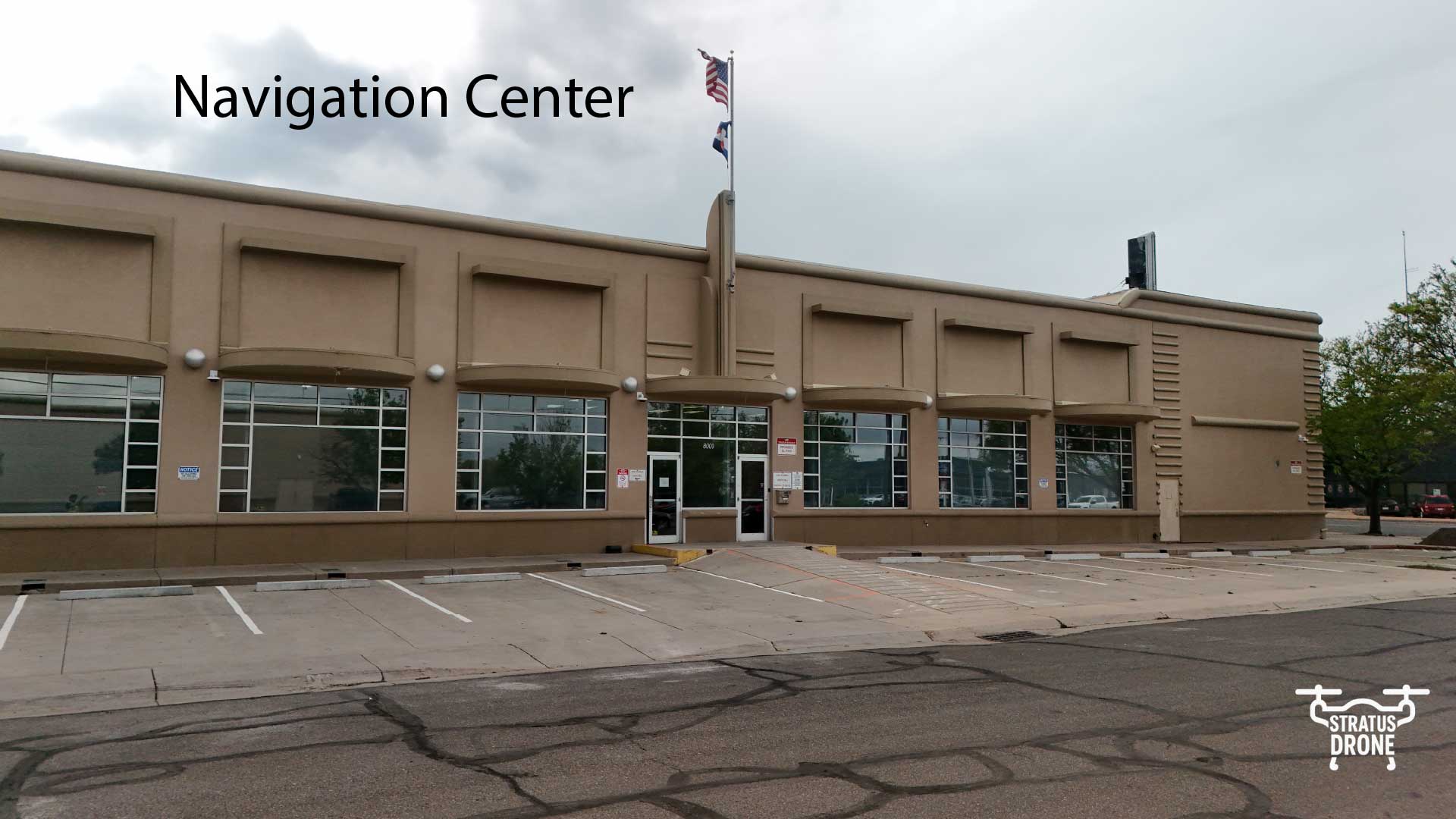
The Navigation Center in Lakewood is closed for renovations to make it suitable for a permanent shelter. When this building was purchased, it was supposed to be a resource center that, if feasible and approved for permit, would be used as a shelter. That story changed immediately upon purchase and it started operating as an emergency shelter while facilities were tested and renovations evaluated. The scope of the renovations increased, the plumbing difficulties increased, and the need for a full-time shelter accelerated. Lakewood residents have not yet had a meeting to share public comment or approval on the shelter. Lakewood’s City Manager continues to operate the shelter on an “emergency” basis rather than go through the special use permit process. Lakewood assures residents that they will have time to be heard – later, when it’s irrelevant, because the building was purchased and the renovations will be complete. This is similar to the public comment planned for the purchase of Emory Elementary on behalf of the Action Center. Residents will be heard – later. The following article has a thorough update, including an update on MountainView Flats. That purchase was also funded with ARPA grants that are no longer expected to continue. Homeless navigation center in Colorado closes amid renovations, with goal of creating full-time shelter By Andrew Haubner at cbsnews.com RecoveryWorks in Lakewood has been a central gathering point for the area’s homeless population in need of resources. The navigation center, which sits on the corner of W Colfax Avenue and Allison Street, provides services such as behavioral health aid, medical help or just a hot meal. But, for the next six months, the center is closed as RecoveryWorks renovates the space.  The hope, executive director James Ginsburg says, is a 103-bed, full-time overnight shelter to help get people off the street and provide a more consistent and reliable resource to add in the transition from homelessness to housing.  RecoveryWorks is operating out of MountainView Flats, a transitionary or “bridge” housing community in Lakewood. Registered Nurse Shawn Marzan and his street medical team at STRIDE Community Health Center have set up shop in one of the rooms, planning their day and being a medical resource for those that live there.  “If [people are] in a centralized location where we know where they’re gonna be, you can provide them medical, you can provide them behavioral health,” Marzan told CBS Colorado. “You can provide not just the medical piece but the social piece too.” Read the rest of the article at cbsnews.com

What Is the Government Solution to Homeless

Lakewood residents reach out for a government solution to homeless encampments, as written about on kdvr.com by Alliyah Sims. Lakewood says encampments like these are the reason to open more shelters and offer more resources. But not everyone takes the resources offered. The problem, as noted in the article, is that these encampments (not all) are located in an area that caters to homeless. Lakewood’s Navigation Center is half a mile away, the Action Center less than a mile away, outpatient services near this encampment at 14th and Vance, and others close by. But what if the unhoused do not want the resources provided? Governments can force taxpayers to provide resources but they can’t force people to utilize them as intended. Lakewood police say help has been offered but not often accepted. As the author of San Fransicko wrote, ““Homeless is a propaganda word” because it also describes the open-drug scene. Because when you say homeless you think it’s a housing problem and people who only have housing problems are the easiest populations to help. The overwhelming problem with the homeless is street addiction and untreated mental health crises.”  – Michael Shellenberger Cities like San Francisco and Denver have been experimenting with government solutions but the only continuing metric of success is the amount of people served and money spent. The increasing number of homeless in these cities is disregarded as irrelevant. From kdvr.com: “Neighbors living in Lakewood are calling for the city to come up with a permanent solution to homeless encampments popping up in their neighborhoods. “They say the sites near 14th Avenue and Vance Street have been a problem within the last year, but they have seen it grow with the recent cleanup at the 6th Avenue and Wadsworth Boulevard interchange that happened last week.‘Long time coming’: Lakewood homeless encampment cleared “Lakewood police say while they are aware of the camp, they can not confirm if it’s the same people from the 6th and Wadsworth clean-up. “They say they offered help to everyone living there, but a lot of times it’s just not accepted, creating an endless cycle. “I’ve been at this location for almost 10 years now, and we love the work we do and love helping others,” said Marie Archambault.” Read the full article….

‘Long time coming’: Lakewood homeless encampment cleared

From https://kdvr.com/, by Alliyah Sims, LAKEWOOD, Colo. (KDVR) — After nearly two weeks of pushing for answers and two years of neighbors dealing with a growing homeless encampment at the 6th Avenue and Wadsworth Boulevard interchange in Lakewood, crews cleared the site Wednesday. Mounting trash, fires being started, needles found in neighbors’ backyards, and contamination in a waterway that feeds into the Platte River were all big concerns. Cleanup started around 9 a.m. on Wednesday and lasted about 8 hours. Read the full article from KDVR

Fire in Lakewood Raises Policy Concerns

As reported by CBS News, a fire in an abandoned gas station on February 3 endangered 20-30 homeless people who were using the building as a shelter. The situation underscores the need to re-examine several ongoing strategies, such as: Which of these policies were effective in de-escalating the ongoing safety situation? From CBS News, by Karen Morfitt Fire in vacant Colorado gas station doubling as shelter for unhoused highlights concerns of neighbors At around 10 p.m. on Monday night a fire tore through a vacant Colorado building that was once used as a gas station. The building at the corner of Alameda Avenue and Harlan Street in Lakewood was being used as a shelter. A resident of the apartment building next door captured video of flames shooting out of the building’s windows. “Thank God the response was quick,” Victor Garibay said. Garibay didn’t take the video, but he lives in the same apartment building. He and his neighbors raised concerns about people coming and going from the building several times. “A lot of people have gone to the police have gone to the fire department and told them about the issues here — people coming in and out. The drug use, of course. The police have come, the fire department has come but they never seem to really be able to do anything about it,” he said. Read article from CBS…

Lakewood Abuses Emergency Declaration Power

Cold weather has been an accepted fact of Colorado life for thousands of years. That is, except in Lakewood, where normal winter weather has been declared an emergency for the last two years. The city’s seasonal emergency declaration allows Lakewood to bypass its own procedures and operate a homeless shelter — without a required permit. Did Lakewood lack planning, or did the city plan to use an emergency declaration to purposely operate without official votes? Another emergency declaration will be made, if it hasn’t already been, for 2025, the third year in a row. “Any time there is forecast to be an extraordinary emergency/extreme weather event involving sustained temperatures at or below twenty (20) degrees Fahrenheit I have determined that a local extreme weather emergency exists requiring and authorizing me to exercise any or all of the emergency powers vested in me as City Manager…” Extraordinary weather event? Meaning natural Colorado winter weather? Sustained cold? Like, overnight? How is this extraordinary? “In Lakewood, the summers are warm, the winters are very cold and snowy, and it is partly cloudy year-round. Over the course of the year, the temperature typically varies from 23°F to 87°F and is rarely below 7°F or above 95°F.” –Weatherspark.com The weather itself is not the emergency. Rather, Lakewood leadership wanted to start a homeless shelter but did not want to go through the normal process of public hearings to decide on a homeless policy.  This public process would be open for community comment but the establishment of homeless shelters is a contentious issue that could lead to unfavorable attention. So, to avoid this prickly issue, it appears that Lakewood City Manager Kathy Hodgson issued an emergency proclamation declaring that normal weather is an emergency, completely bypassing public policy processes, presumably with City Council’s full approval. With this emergency mechanism in place, Lakewood could immediately start operating a homeless shelter.  Interestingly, Lakewood had already applied for state funds, assuring the State that it would get the required permit when necessary.  Unfortunately for the citizens, by the time the permit hearing is held (still in future), Lakewood leadership could claim the emergency process has been historically in place for the past few years, with funding appropriated – thus automatically approving the required permits.   A permit is necessary by code to operate a homeless shelter.  Lakewood had to write a new law in 2023 to operate a temporary shelter. The emergency shelter mechanism appears to be a carefully constructed misinformation tactic that abuses the public trust.  Most significantly, Lakewood has completely bypassed important public policy discussions which resulted in citizens in cities like Arvada to vehemently oppose proposals for getting into the homelessness industry. From Lakewood City Council Study Session, November 18, 2024: “Our hope is that we can ribbon cut this address as a 24/7 shelter in 2025,” said Chris Conner, Manager Housing and Thriving Communities.  He assumes the shelter permit will be approved. Still, there was no mention of public policy debate of homeless response in Lakewood and no response to public criticism of the current shelter. City Council has made it clear during study sessions that they approve of staff policy. Study sessions have no public comment or votes. The only vote so far has been to approve the fund appropriations. There will also be the anticipated vote from the Planning Commission for a shelter that everyone seems to think is guaranteed. Lakewood City Manager Kathy Hodgson continues to get annual bonuses and salary increases, while Council approves of finding legal loopholes to make policies materialize without official Council votes. That keeps the policy power within the City Manager’s office and allows those involved to blame others for the lack of proper public process.   Read the 2024 emergency declarations yourself…

Lakewood Chooses Which Lives to Save- Homeless First

Lakewood has spent time and money trying to find a correlation between homeless deaths and cold weather. This might seem obvious, but Lakewood elected officials want to claim the number of lives saved. However, the statistics don’t cooperate. There are no weather-related deaths identified amongst Jefferson County homeless. The leading causes of non-natural death in Lakewood are from mechanical falls, drugs and suicide which far outpace weather exposure. City Council is not spending millions of dollars on those causes. Even the number of homicides in Lakewood outstrips the number of deaths from exposure in all of Jefferson County. No increased spending on police. Is the priority really saving lives? Which lives are the responsibility of Lakewood government? Current statistics are that two Jeffco homeless a month present for help with hypothermia-related symptoms in emergency or urgent care. From 2020-2023, 8-12 Jeffco residents die from hypothermia per year. This category was not significant enough to break out in prior years. There is no data on which city these people are from or if they are unhoused. With the number of unhoused increasing in Jefferson County, the likelihood of any accident will also increase. The Jeffco coroner did not identify any deaths from weather-related or hypothermic causes among people experiencing homelessness” (from Lakewood Study Session presentation minute 14) It is an unfortunate reality that people experiencing homelessness suffer due to the cold. However, it is not a significant cause of death, despite what elected officials are saying. Lakewood Manager of Housing and Thriving Communities, Chris Conner, provided various reasons as to why homeless did not die of hypothermia, including that Lakewood is now saving them through the new shelter. The data shows that hypothermic deaths are not statistically significant in any Jeffco population, before or after the shelter started. From the Jefferson County Coroner’s Office 2023 Report City staff highlighted statistics from the Jeffco Coroner’s report which shows the total number of accidental (non-traffic) deaths across all of Jeffco. Weather exposure is the 4th leading cause of death in that category with a total of 9. MECHANICAL FALL: “The majority of accidental deaths investigated by the Jefferson County Coroner’s Office (JCCO) are due to injuries such as hip fractures or intracranial hemorrhages from mechanical falls in the elderly population. Accidental overdose or drug toxicity deaths also account for a large portion of accidental deaths investigated by the JCCO.” Given the statistics, unless they are elderly, an unhoused resident is far more likely to die from drug intoxication than exposure to the elements. A closer look reveals that the number of county-wide deaths from exposure is far less than the number of Lakewood suicides, traffic accidents or homicides. (Note that the traffic accidents did not occur on any road with the newly lowered speed limit.) Although most deaths are from natural causes, there were 15 homicides in 2023 and City Council has repeatedly refused to investigate crime as an issue. There is no breakdown of accidental, non-traffic deaths, that occurred in just Lakewood but those statistics have been requested for future reports. Westword did an in-depth investigation into exposure deaths among the homeless and found that all 8 deaths in that year were accompanied by drug or alcohol intoxication. Given the amount of death by drugs, if Lakewood’s goal was to save lives, a better priority may be to get into the business of mental health or drug treatment, rather than shelter.

Scroll to top