Lakewood Informer

Resident generated news about Lakewood, Colorado

Lakewood Informer

Resident generated news about Lakewood, Colorado

navigation center

Navigation Center Emergency Deal Closes

Lakewood passed another “emergency” ordinance, December 8, 2025, once again showing an inability – or purposeful unwillingness – to properly plan for the Navigation Center. The latest “emergency” was a lease that was months in the making. Lakewood used “emergency” and non-profit non-city meetings to skirt public input.  The new lease and the property sale both rely on new zoning to keep the public in the dark and do spot zoning for favored projects. No one has addressed how the Center will be affected by the potential repeal of the new zoning nor has the declining neighborhood been addressed. During the January 8 meeting, a resident publicly complained about how the Navigation Center was negatively impacting his business.

Sacrificing Neighborhoods Allows Homeless Funding

Why the big rush to change the zoning code? Follow the money. The money trail leads to state grant funding, which primarily supports homeless and sustainability initiatives. Without that agenda, Lakewood could decide for itself which, if any, of the state initiatives make sense locally. Colorado has decided to override local zoning in a power grab against local home rule. Other cities are fighting back against Colorado with legal cases. But Lakewood will not fight for home rule. They are not only implementing the state law but going further in densification, all while citing the need to comply with state law Lakewood receives millions of dollars in state grants for initiatives like sustainability and the new navigation center. The purchase and renovation of the old Harley Davidson building was done using state grants. To continue funding sustainability and homeless initiatives, Lakewood must either fund it internally (a political impossibility) or comply with state zoning codes. And if the state zoning codes are not what Lakewood residents had in mind when they discussed “affordable housing” solutions, that’s a sacrifice Lakewood is willing to make on your behalf. Note: For the purposes of this article, “Lakewood” means the majority opinion of city officials. It is hard to tell who is speaking in public workshops, there is a lot of backroom personal communications, as well as conflicting explanations given in ward meetings. To establish personal beliefs, please contact your city official with detailed questions that are beyond the scope of this article. Lakewood’s proposed zoning code sacrifices existing neighborhood stability in the hopes of creating affordable housing. Occupancy limits everywhere are eliminated so there can be 20, unrelated, non-owner residents in a house. The house nextdoor may be torn down and replaced with a duplex or a cottage court*. Small retail is now allowed, mixing business with residential. Every property in Lakewood is now a transition zone. *Cottage Court: According to a 2022 report from AARP, cottage courts are defined as a small collection of bungalow-style homes that are “typically 1 to 1½ stories tall and are oriented around a courtyard that serves as an outdoor community space in lieu of rear yards.” – HousingWIre There is no guarantee that any of these changes will achieve their desired goals. Studies abound on both sides. However, Lakewood has already been promised affordable housing since the 2012 zoning rewrite that spawned the term “Soviet-style apartment blocks” with zero new “affordable” units created. Is there any reason to think this big change will be different? Lakewood’s proposed zoning code is not ready for first reading yet, so residents don’t know all the details. The latest redline is from May 19. However, residents do know that know matter what is in there, it is good and necessary because City Council passed a resolution saying so in December of 2024. Lakewood’s navigation center is a contentious issue that hinged largely on the ability to get “free money” from the state. Many homeless and sustainability measures that were supported by the state did not go through a full public policy debate because that wasn’t necessary if Lakewood wasn’t spending its own money. Now that decision is coming back to haunt Lakewood residents, who will be paying for that money by sacrificing their neighborhood stability.

Lakewood Navigation Center Closes for Renovations

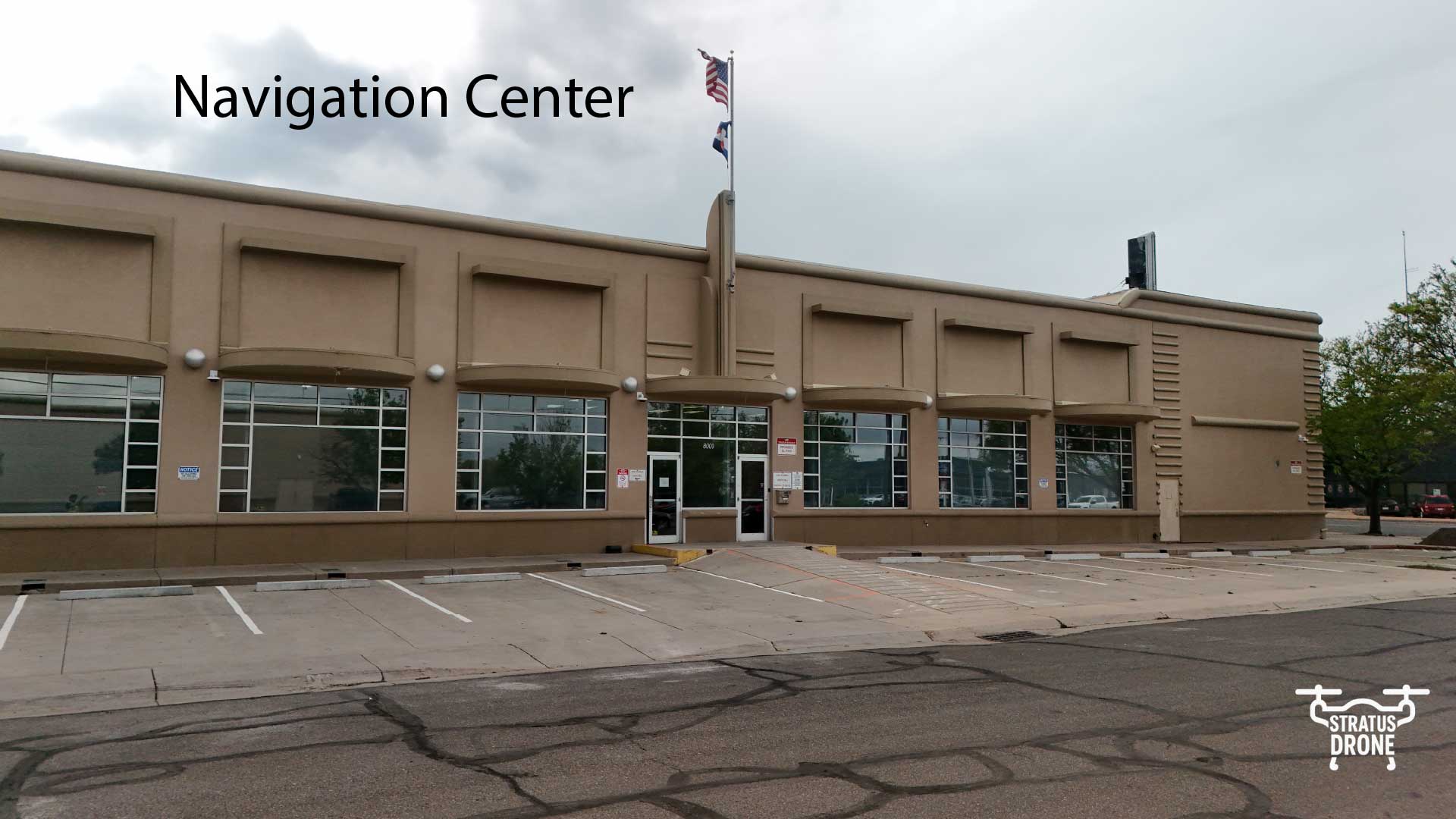
The Navigation Center in Lakewood is closed for renovations to make it suitable for a permanent shelter. When this building was purchased, it was supposed to be a resource center that, if feasible and approved for permit, would be used as a shelter. That story changed immediately upon purchase and it started operating as an emergency shelter while facilities were tested and renovations evaluated. The scope of the renovations increased, the plumbing difficulties increased, and the need for a full-time shelter accelerated. Lakewood residents have not yet had a meeting to share public comment or approval on the shelter. Lakewood’s City Manager continues to operate the shelter on an “emergency” basis rather than go through the special use permit process. Lakewood assures residents that they will have time to be heard – later, when it’s irrelevant, because the building was purchased and the renovations will be complete. This is similar to the public comment planned for the purchase of Emory Elementary on behalf of the Action Center. Residents will be heard – later. The following article has a thorough update, including an update on MountainView Flats. That purchase was also funded with ARPA grants that are no longer expected to continue. Homeless navigation center in Colorado closes amid renovations, with goal of creating full-time shelter By Andrew Haubner at cbsnews.com RecoveryWorks in Lakewood has been a central gathering point for the area’s homeless population in need of resources. The navigation center, which sits on the corner of W Colfax Avenue and Allison Street, provides services such as behavioral health aid, medical help or just a hot meal. But, for the next six months, the center is closed as RecoveryWorks renovates the space.  The hope, executive director James Ginsburg says, is a 103-bed, full-time overnight shelter to help get people off the street and provide a more consistent and reliable resource to add in the transition from homelessness to housing.  RecoveryWorks is operating out of MountainView Flats, a transitionary or “bridge” housing community in Lakewood. Registered Nurse Shawn Marzan and his street medical team at STRIDE Community Health Center have set up shop in one of the rooms, planning their day and being a medical resource for those that live there.  “If [people are] in a centralized location where we know where they’re gonna be, you can provide them medical, you can provide them behavioral health,” Marzan told CBS Colorado. “You can provide not just the medical piece but the social piece too.” Read the rest of the article at cbsnews.com


What Is the Government Solution to Homeless

Lakewood residents reach out for a government solution to homeless encampments, as written about on kdvr.com by Alliyah Sims. Lakewood says encampments like these are the reason to open more shelters and offer more resources. But not everyone takes the resources offered. The problem, as noted in the article, is that these encampments (not all) are located in an area that caters to homeless. Lakewood’s Navigation Center is half a mile away, the Action Center less than a mile away, outpatient services near this encampment at 14th and Vance, and others close by. But what if the unhoused do not want the resources provided? Governments can force taxpayers to provide resources but they can’t force people to utilize them as intended. Lakewood police say help has been offered but not often accepted. As the author of San Fransicko wrote, ““Homeless is a propaganda word” because it also describes the open-drug scene. Because when you say homeless you think it’s a housing problem and people who only have housing problems are the easiest populations to help. The overwhelming problem with the homeless is street addiction and untreated mental health crises.”  – Michael Shellenberger Cities like San Francisco and Denver have been experimenting with government solutions but the only continuing metric of success is the amount of people served and money spent. The increasing number of homeless in these cities is disregarded as irrelevant. From kdvr.com: “Neighbors living in Lakewood are calling for the city to come up with a permanent solution to homeless encampments popping up in their neighborhoods. “They say the sites near 14th Avenue and Vance Street have been a problem within the last year, but they have seen it grow with the recent cleanup at the 6th Avenue and Wadsworth Boulevard interchange that happened last week.‘Long time coming’: Lakewood homeless encampment cleared “Lakewood police say while they are aware of the camp, they can not confirm if it’s the same people from the 6th and Wadsworth clean-up. “They say they offered help to everyone living there, but a lot of times it’s just not accepted, creating an endless cycle. “I’ve been at this location for almost 10 years now, and we love the work we do and love helping others,” said Marie Archambault.” Read the full article….

Arvada City Council Listens to Residents and Sells Navigation Center Building

Arvada is selling the building they purchased to run a homeless shelter and navigation center. Just like what happened in Lakewood, these centers were sprung on residents with little notice about actual details.  People who may support the unhoused as a general conception may not support millions of dollars in spending in a previously undisclosed location. It turns out, residents did not like the concept as much as officials thought they would. Arvada officials listened to resident opposition and are now selling the building, unused. Completely opposite to Lakewood, who is expanding their program already. Read original article: City of Arvada to sell proposed homeless resource site following community pushback Dodging a Bullet By listening to residents, Arvada might have dodged a funding bullet. Lakewood’s homeless shelter is budgeted to spend almost $4 million per year, almost all from outside sources.  Lakewood, on its own, cannot support this level of services. With federal funding now in question, which funnels to state grants, future funding is not looking so rosy. Colorado is already facing a $1 billion budget shortfall. And funding was never guaranteed in the first place. Arvada may prove to be twice wise by divesting an investment that cannot be funded.

Scroll to top