Lakewood Informer

Resident generated news about Lakewood, Colorado

Lakewood Informer

Resident generated news about Lakewood, Colorado

shelter

Emory Not Purchased Yet but is Already Scheduled to Sell

Emory Not Purchased Yet but is Already Scheduled to Sell The sale of Emory has already been scheduled for October 27, the same day Lakewood will authorize buying the current Action Center for more homeless services. There is no mention of when Lakewood will complete the purchase of Emory, but Lakewood must be confident since it is already scheduled for sale. There is no update on the Jeffco website and calls for comment have not been returned. No evidence of a public meeting with Jeffco schools can be found. Lakewood has consistently told residents that the purchase and sale of Emory Elementary was not a “done deal” and that the community would have plenty of opportunity to weigh in. But so far, that hasn’t been the case. While there have been many meetings where the Action Center has explained their plans, there has been no opposing views presented. Resident concerns have been brushed aside. The only real discussion about Lakewood’s homeless policy was during a Council workshop at which no votes were taken and public comment allowed. The sale date of October 27th is the day before the District Court trial involving Lakewood’s alleged violations of the Open Meetings Law. Former Lakewood Councilor and attorney Anita Springsteen filed three lawsuits against improper notice of executive sessions for Emory purchase discussions. Losing Money Jeffco will not disclose the market valuation of Emory, claiming negotiation privilege. However, the discussion from the Action Center presentations suggests: the property is worth around $10 million Lakewood will purchase the building for $4 million. Lakewood will then sell the building to the Action Center for $1 million. If true, that’s a $9 million loss to the taxpayers. Add in the cost for Lakewood to buy the current Action Center property and the cost goes up. Meanwhile, Jeffco has been cutting costs elsewhere — including reducing school resource officer coverage. Residents can’t help but connect these decisions to recent tragedies like the Evergreen school shooting, which happened when the SRO was off duty and a replacement had been “deprioritized”. Biased Presentations The Action Center has sponsored a couple of one-sided presentation meetings. Ward 2 residents expecting a zoning discussion on September 13 were instead met with a surprise Action Center presentation. The Action Center meeting scheduled for September 17 has turned into a Ward 3 meeting. It is scheduled for 5:30 at Emory Elementary. What’s missing is any balanced discussion of: The real taxpayer costs The impact on nearby neighborhoods Program effectiveness Whether these programs can stand financially without ongoing government support Expanding Homeless Services City Manager Kathy Hodgson previewed this direction back in December 2023, saying “… we are talking about a partnership with the Action Center to move them to one of the schools that’s been closed…. then Lakewood would have a presence in the existing two buildings of the Action Center to complete the navigation concept and allow for more housing for our homeless population….“ Since the City Manager made that comment, the Navigation Center has proven to be more expensive than anticipated and has drawn criticism as a magnet for the homeless. Even Governor Jared Polis recently questioned “Housing First” strategies like Lakewood’s. In a September 12 interview with CPR, Polis said Denver’s model hasn’t worked and shouldn’t be emulated. Instead, he pointed to Colorado Springs and Aurora, which emphasize mental health and individualized approaches over housing alone. (See Lakewood Informer news article for a comparison) From CPR interview with Governor Polis, 12 September 2025 Zoning Changes on a Fast Track Lakewood’s City Council is expected to vote on the final zoning changes, including the Emory site, on October 13. The move would “spot change” Emory’s zoning without the typical public hearing process. All of this is scheduled to be finalized before the next election, effectively locking in the decision before residents can have their say at the ballot box. The Bigger Picture Lakewood’s leadership continues to move forward without presenting residents with a full picture of costs, tradeoffs, or alternative models. Governor Polis himself has warned against relying on “Housing First” — yet Lakewood is doubling down on that very approach. The new zoning enables this approach while bypassing normal public hearings on controversial site changes.

Lakewood Navigation Center Closes for Renovations

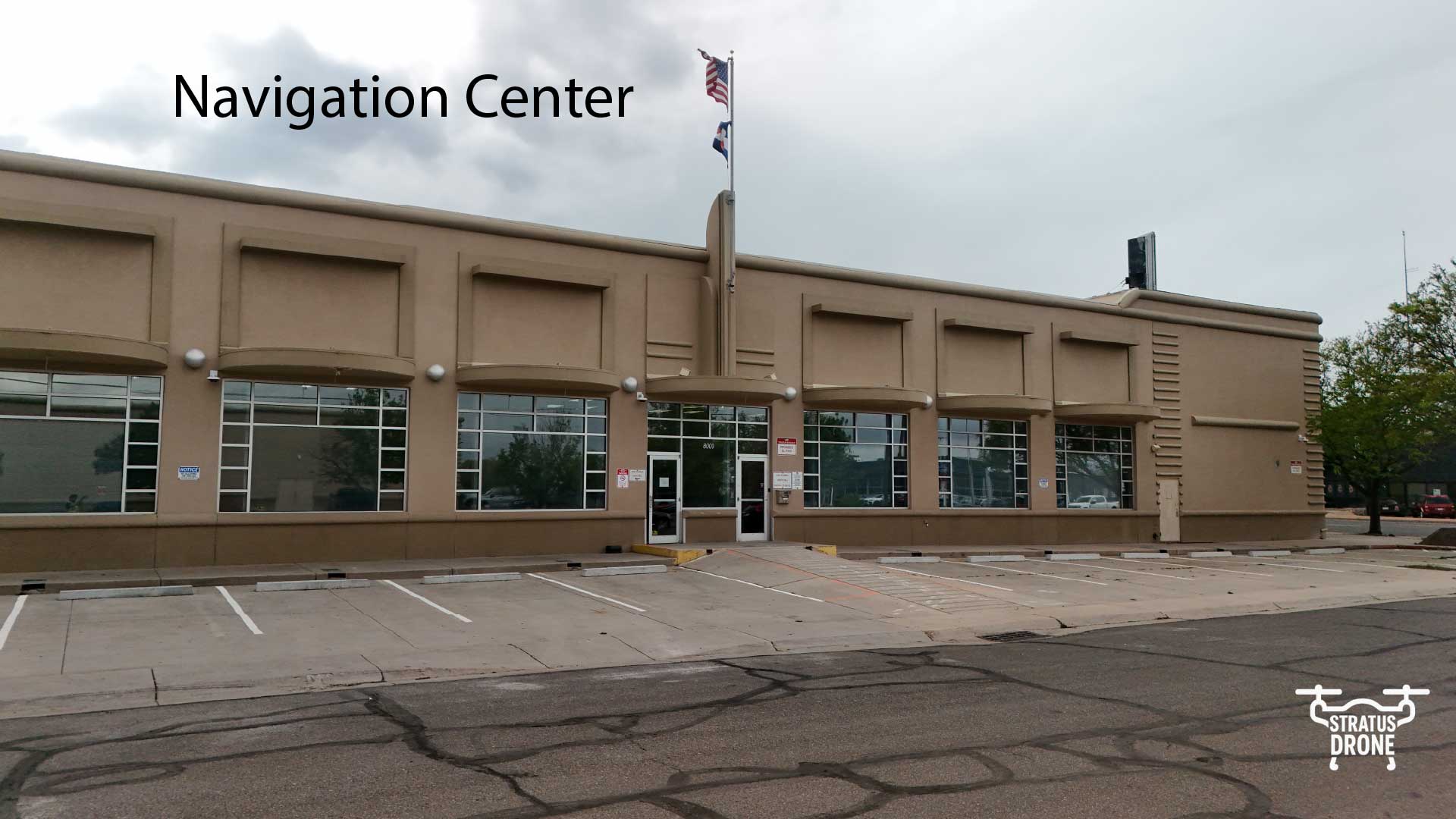
The Navigation Center in Lakewood is closed for renovations to make it suitable for a permanent shelter. When this building was purchased, it was supposed to be a resource center that, if feasible and approved for permit, would be used as a shelter. That story changed immediately upon purchase and it started operating as an emergency shelter while facilities were tested and renovations evaluated. The scope of the renovations increased, the plumbing difficulties increased, and the need for a full-time shelter accelerated. Lakewood residents have not yet had a meeting to share public comment or approval on the shelter. Lakewood’s City Manager continues to operate the shelter on an “emergency” basis rather than go through the special use permit process. Lakewood assures residents that they will have time to be heard – later, when it’s irrelevant, because the building was purchased and the renovations will be complete. This is similar to the public comment planned for the purchase of Emory Elementary on behalf of the Action Center. Residents will be heard – later. The following article has a thorough update, including an update on MountainView Flats. That purchase was also funded with ARPA grants that are no longer expected to continue. Homeless navigation center in Colorado closes amid renovations, with goal of creating full-time shelter By Andrew Haubner at cbsnews.com RecoveryWorks in Lakewood has been a central gathering point for the area’s homeless population in need of resources. The navigation center, which sits on the corner of W Colfax Avenue and Allison Street, provides services such as behavioral health aid, medical help or just a hot meal. But, for the next six months, the center is closed as RecoveryWorks renovates the space.  The hope, executive director James Ginsburg says, is a 103-bed, full-time overnight shelter to help get people off the street and provide a more consistent and reliable resource to add in the transition from homelessness to housing.  RecoveryWorks is operating out of MountainView Flats, a transitionary or “bridge” housing community in Lakewood. Registered Nurse Shawn Marzan and his street medical team at STRIDE Community Health Center have set up shop in one of the rooms, planning their day and being a medical resource for those that live there.  “If [people are] in a centralized location where we know where they’re gonna be, you can provide them medical, you can provide them behavioral health,” Marzan told CBS Colorado. “You can provide not just the medical piece but the social piece too.” Read the rest of the article at cbsnews.com

Lakewood Expanding Homeless Program

Denver’s Sanctuary City status has pushed many of Denver’s homeless into Lakewood. As a result, Lakewood has taken up Denver’s homeless industry and is building a multi-million dollar business. And just like Denver, Lakewood is relying on growing the homeless response. Left unsaid, is that to continually have more response, there must always be homeless to respond to – a reinforcing circle of political expediency that has caused Denver to be one of the worst in the nation despite spending $274 million. Lakewood’s latest study session reveals city staff expanded emergency days and City Council is asking for more. All without any council vote on a city homeless policy – which would easily pass but would require public hearings. All Council Members who spoke at the meeting encouraged more spending and more services for the homeless shelter. Several thanked staff for coming up with this policy although policy is Council’s domain – after a proper vote. Mayor Strom acknowledged on November 18, 2024 that homeless advocacy was a new thing for Lakewood to get involved in and there have been growing pains. She also acknowledged that having good communication to notify people when the shelter was open was very helpful. Council Member Mayott-Guerrero was also thankful for more communication between staff and Council but was concerned even more was needed. She asked if Lakewood had enough homeless navigators to get the word out to the homeless community. Like Mayor Strom’s statement, there was no concern expressed for letting the rest of the community know what was going on or if they agreed. Chris Conner, Manager of Housing and Thriving Communities, said several times that turning people away from the shelter was untenable and that Lakewood would need to grow services in order to be sustainable. He said he did not want to open the shelter permanently without knowing that there was overflow capacity, which the county is currently filling. Jefferson County provides hotel vouchers for shelter overflow. Vouchers are coveted commodities so Lakewood staff work hard to randomize so that no one can exploit a system just to capture a hotel room. Hotels may not be within Lakewood. Lakewood provides transportation to hotels, through Bayaud Enterprises. Jefferson County pays to bring people back from hotels in order to return the unhoused to Lakewood. Lakewood had a bid out, as of November 18, that would include paying for transportation again in 2025. The unhoused are incentivized, and reportedly prefer, to stay in Lakewood, a growing program. Lakewood staff has new emergency criteria that will open the shelter 50-70 nights a year while also increasing the amount of people served by 50%. Conners said that solutions to homelessness would be to either increase shelters or move people into housing. He said that the move to housing will be when he would be asking for more help in terms of personnel and budget, meaning he is not talking of personal homes. Keep in mind that Lakewood is altering its ordinances to allow for temporary housing, that seems to fit the definition of housing as a solution, i.e. Lakewood permanently funding housing for a population. In every case, the feeling is that more resources are needed with no limit. Councilor Sinks expressed the concern about getting the 24/7 operations started soon. Council Member Cruz acknowledged there is more need in Lakewood than we can currently handle so she welcomed the county program to pay for hotel rooms. She is happy that Lakewood expanded the days the shelter will be open. Again, no council vote was taken on any policy regarding days or policy to open. Many Councilors expressed the hope that other cities follow Lakewood, including Mayott-Guerrero, Cruz, Shahrezaei, Low, and Rein, and some asked how Lakewood could pressure other cities into participating. Will surrounding cities give in to peer pressure to start homeless initiatives or will they listen to their constituents first? Arvada had to cancel the plans of City Council after listening to residents. Lakewood is not even listening to the neighbors of the shelter as crime increases and Lakewood becomes a magnet for homeless. Mayor Pro Tem Shahrezaei expressed gratitude that city staff built a policy that includes what she was hearing from stakeholders. What stakeholders? There was no city survey like they do for much smaller projects such as an individual park plan or giant multi-step surveys to keep your tax dollars. And isn’t it the job of City Council to set policy? Shahrezaei’s statement acknowledges the runaround and backroom dealing that made this homeless shelter slash navigation center possible. Her statement also corresponds with that of Strom and Mayott-Guerrero, celebrating the increased communication with everyone but the community at large and only after the plan was implemented. Council Member Low thanked the staff for “framing the discussion around the hypothermia issue and the emergency room visits.” He went on to say, “I think that’s a very sobering but meaningful statistic for us to be looking at and hopefully we can continue to have that number be zero or as close to it as possible so if we could have the city continue to get us that at least annually to assess whether this is continuing to save lives.” There was no explanation as to why, if the number of deaths has always been zero or close to zero, Lakewood would need a shelter. It is unlikely that a shelter will decrease deaths below zero. Low is also interested in having city staff expand meal services at the shelter, an idea brought up by several councilors previously. He encouraged staff to increase the budget for next year as necessary to support the clear agenda of City Council regarding this activity. All Council Members who spoke at the meeting encouraged more spending and more services for the homeless shelter (Councilors Olver and Nystrom were silent). Nothing really new came out of the study session, except this may be the only time residents will hear that Lakewood will be expanding homeless

Scroll to top